
SEO-DAY Cologne 2026: Why Germany Is a Major SEO Opportunity
SEO-DAY Cologne 2026 brings SEO, GEO and AI into one conversation. Why Germany matters and what companies seeking growth there can learn.
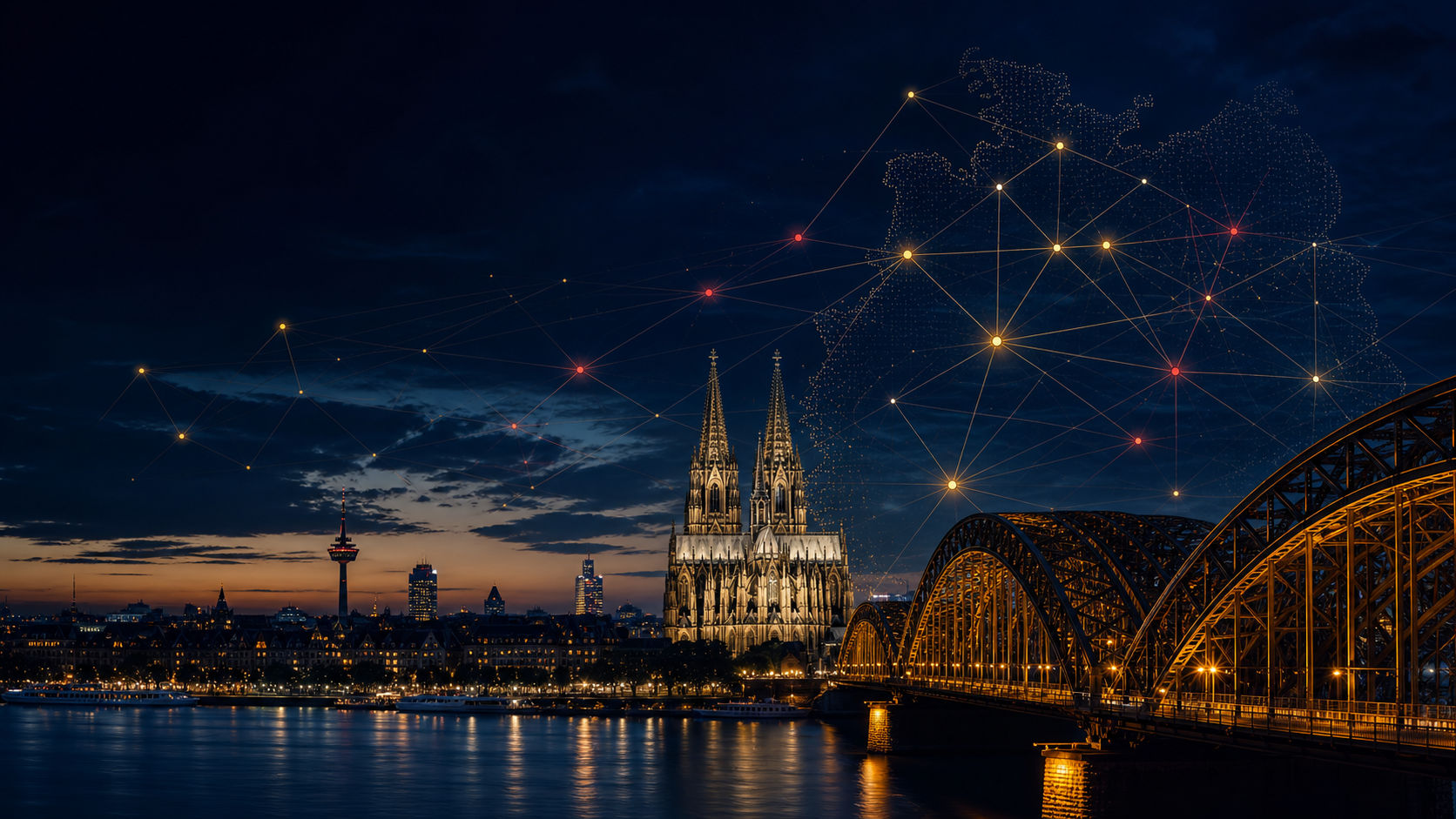
SEO-DAY Cologne 2026 interests me not only as an event, but as a market signal. In a single day, a conference built around classic SEO also puts GEO and AI at the centre. That says something simple: digital visibility can no longer be divided into separate drawers.
On 19 November 2026, search professionals will meet at RheinEnergieSTADION in Cologne for a new edition of SEO-DAY. The organisers announce more than 30 speakers, over 520 attendees and more than 15 years of experience. Beyond the programme, however, the real theme is how SEO, Generative Engine Optimization and AI are becoming a single operational discipline.
SEO-DAY Cologne 2026
19 November 2026 · RheinEnergieSTADION, Cologne
SEO · GEO · AI · 30+ speakers · 520+ attendees
Why Germany is a serious SEO opportunity
Germany is not a market you can win simply by translating a few pages and buying traffic. It has mature ecommerce, a strong ecosystem of agencies and Mittelstand companies that expect quality, rigour and predictability. At the same time, AI adoption is advanced enough to create pressure, yet still uneven. This is precisely where the opportunity appears.
Companies that can combine genuine localisation, credible content, a solid technical foundation and repeatable execution have room to build an advantage. I do not mean the automated production of pages without identity. I mean systems that understand the market, verify information, prepare sound actions and keep people in control of the decision.
I explored this perspective in more detail in the AYSA.ai analysis of SEO-DAY Cologne 2026 and Germany’s AI SEO market. For me, the important question is not who generates the most content, but who can turn data and recommendations into controlled improvements published on real websites.
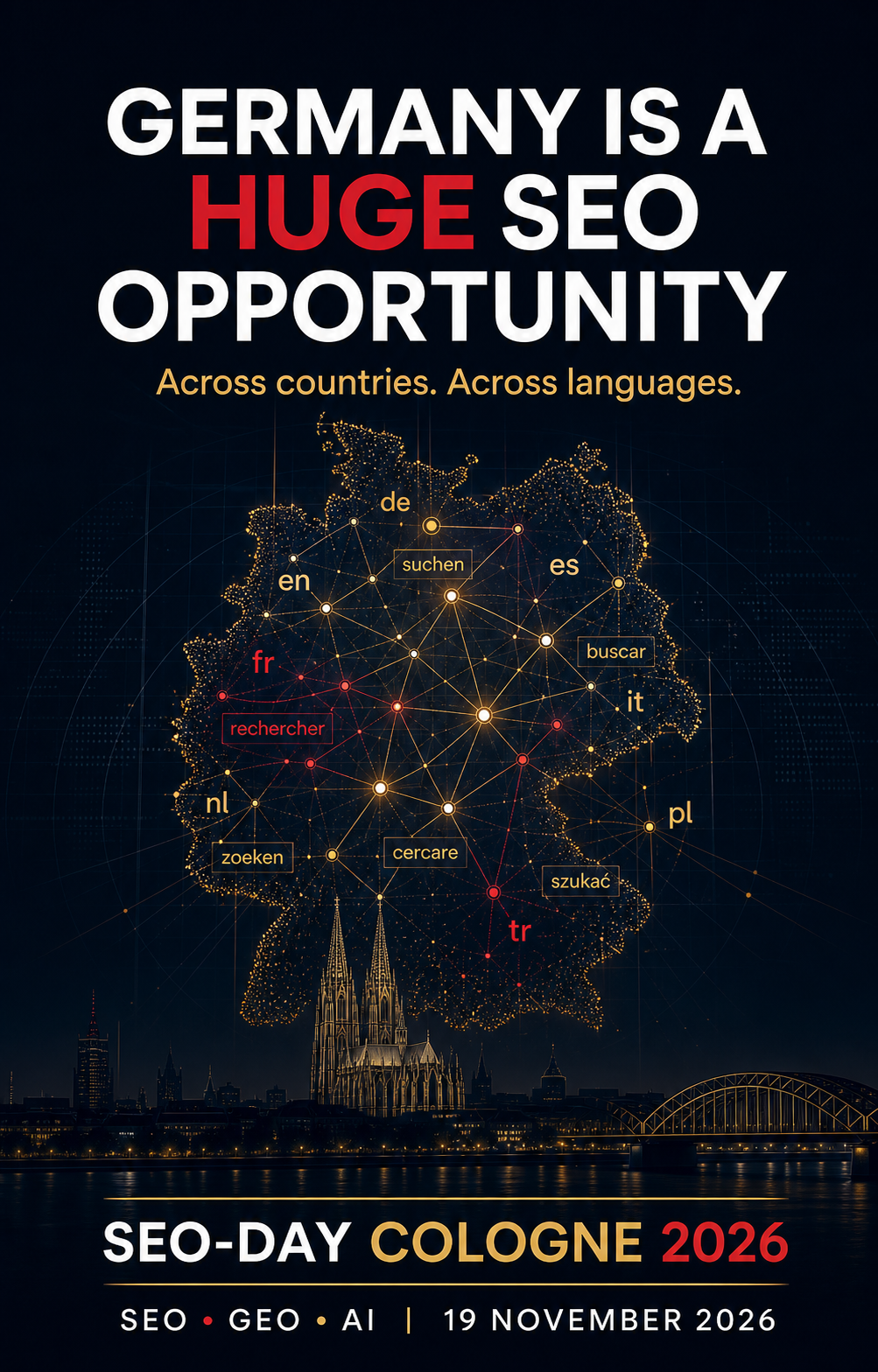
Search no longer means only ten blue links
A customer may now discover a brand in classic Google results, an AI Overview, a ChatGPT answer, a comparison, a map or a marketplace. These surfaces do not all work in the same way, but they all need the same foundation: a clear entity, verifiable information, useful pages, sound technical structure and trust signals.
That is why I do not see GEO as a replacement for SEO. I see it as a natural extension. SEO makes a website accessible, relevant and competitive in search engines. GEO helps information become understandable, connected and citable by generative systems. AI can accelerate analysis and execution, but it does not remove the need for strategy, approval and accountability.
What companies in Romania and Central and Eastern Europe can learn
Localisation, not mechanical translation
A German version is only the beginning. The offer, evidence, examples, commercial terms and user expectations must be adapted to the market. Correct language opens the door; trust and relevance determine whether anyone walks through it.
Evidence before promises
In a demanding market, broad claims about “quality” or “innovation” are not enough. Concrete cases, identifiable authors, sources, structured data and operational transparency become SEO assets, not merely image-building elements.
Execution, not another dashboard
Most companies do not lack recommendations. They lack time, prioritisation and a safe process through which a recommendation becomes a verified change. I believe the next stage of the market will be decided here: between tools that describe problems and systems that actually help solve them.
Why I am following SEO-DAY Cologne 2026
I am following the event because it brings together three conversations that, for too long, were held separately: the discipline of SEO, the shift caused by generative answers and the practical problem of execution. AYSA.ai is listed as an event partner, and for us Cologne is a useful vantage point on the German market and on how mature companies adopt AI without surrendering control.
I am not looking for confirmation that “SEO is dead” or that a new acronym solves everything. I am interested in the practices that remain after the excitement fades: how visibility is measured, which sources are cited, how work is prioritised and how approved improvements reach the website.
An event worth putting on your radar
If you work in SEO, ecommerce, digital products or AI search, it is worth following the official SEO-DAY Cologne 2026 programme. For the broader market context, you can read AYSA.ai’s analysis of Germany, and for other relevant conferences there is also the international SEO, GEO and AI events calendar.
Germany is a major opportunity, but not an easy one. That is precisely what makes it interesting: it forces technology, strategy and execution to grow together.